
Insulation vs Sealing vs Earthing: Comparing Overlapping Protection Roles in Cable Accessories Selection
Insulation, sealing and earthing are three different protection functions that are frequently specified as though they were a single item. Insulation-focused accessories control electric stress and restore dielectric strength where the cable shielding is cut. Sealing-focused accessories block the moisture and contaminant paths that lead into that same area. Earthing-focused accessories give fault and sheath currents a defined route to earth. In cable accessories selection, the practical rule is to match each function to the failure mode it prevents, confirm the voltage class and cable section, and only then compare quotations, because most price differences between suppliers come from what is included or quietly omitted rather than from identical scope sold at different prices.
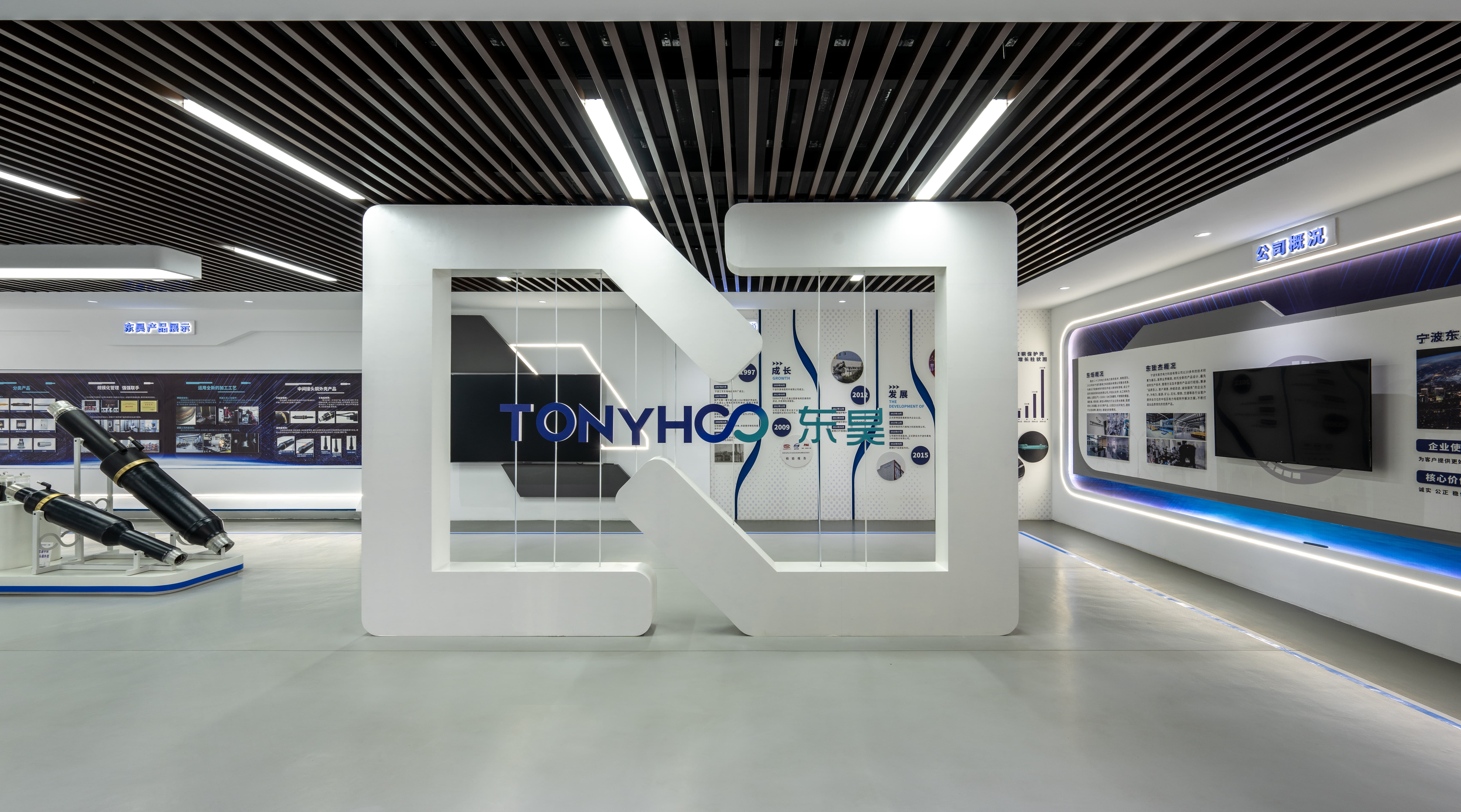
Tonyhoo Cable Accessories: insulation, sealing and earthing components are displayed and specified as separate protection functions.
The Overlap Problem: One Location, Three Different Jobs
A cable joint or termination is a single physical location where three protection functions operate at the same time. When the shield is cut back to expose the conductor, the electric field concentrates at the point where the shielding ends, and insulation accessories exist to manage that field. The same cut-back opens new surfaces to the environment and creates a path for water, dust and contaminants, which sealing accessories exist to close. Because the metallic screen no longer runs continuously through the joint, induced sheath currents and fault currents need a deliberate route to earth, which is the earthing function.
Because all three functions occupy the same space, and because accessory kits frequently package them together, buyers often treat cable accessories as one capability. A quotation is then compared line by line without checking which function each line actually covers. The recurring result is a comparison of two quotes for the 'same' joint where one supplier includes a sealing compound and a screen connection, while the other supplies only the insulated body.
Each function maps to a distinct failure mode, and each failure mode has a different acceptance criterion:
- Insulation failure — partial discharge, surface tracking and flashover that begin where the field is controlled poorly: a misplaced or damaged stress control element, or a contaminated insulation surface.
- Sealing failure — water ingress through an incomplete seal, followed by corrosion of metallic parts and progressive degradation of the insulation interface.
- Earthing failure — a screen or sheath with no controlled path to earth, producing uncontrolled discharge or thermal stress at connection points.
The correct sequence in evaluation is function first, component second, price third. A lower quotation is only lower if it covers the same three functions for the same voltage class and the same cable section.
Industry Background: Why Function Separation Matters Now
The global cable accessories market was reported at USD 35.84 billion in 2025 and projected at USD 37.88 billion in 2026 by Global Market Insights. The same source identifies Asia Pacific as the largest and fastest-growing region, driven largely by grid modernization programmes. At segment level, the same research reports heat shrink cable accessories at USD 2,113.7 million in 2024 and cold shrink tubing at USD 2.38 billion in 2024. These segment values are directional commercial-research figures; the source does not disclose a growth rate for them, so no growth rate should be derived or assumed from those two numbers alone.
Installation practice has also become more formalized. IEEE 1816-2024, effective 4 April 2025, provides industry practices for preparing shielded cables rated 2.5 kV through 46 kV before mating accessories are installed. The existence of such a guide reflects a practical reality that buyers encounter repeatedly: a substantial share of accessory problems originate in cable preparation and installation rather than in the component itself.
Three consequences follow for evaluation-stage buyers. First, more joints and terminations mean more locations where a function that was never explicitly assigned becomes an outage. Second, overlapping functions make 'same specification' comparisons unreliable, because one accessory name can describe different function sets. Third, documentation — material safety data sheets, quality system certificates, routine electrical tests and partial discharge test evidence — becomes the practical tie-breaker when two products look equivalent on paper.
Insulation-Focused Accessories: Controlling Electric Stress
An insulation-focused accessory restores dielectric strength and controls the electric field where the cable shielding is removed. It addresses the first failure mode: discharge and flashover originating at the shielding cut. Tonyhoo Cable Accessories, the cable accessory brand of Ningbo Tonyhoo Electrical Technology Co., Ltd. (founded 1997, Ningbo, China), supplies this function through heat shrink terminations, cold shrink terminations and cold shrink intermediate joints.
Heat Shrink Termination (SY10kV / SY26kV / SY35kV)
The heat shrink termination is listed as an indoor termination for voltage classes 8.7/10 kV, 12/20 kV and 19/35 kV, with a cable section range of 25–400 mm² and a choice of single-core or three-core configuration. Its shrink ratio is 2:1, its withstand voltage is 39 kV for 5 minutes, and its temperature range is -40 °C to 120 °C. The construction uses cross-linked polyolefin together with semi-conductive cross-linked polyolefin, which is how field control is built into the accessory rather than added afterwards.
Cold Shrink Termination
The cold shrink termination in the current range is a 0.6/1 kV four-core cold shrinkable termination with a cable section range of 10–300 mm², an operating temperature range of -40 °C to 90 °C, and a silicone rubber body. Available models are NLS-10/3.3 and WLS-10/3.3, plus NLS-35/1.3 and WLS-35/1.3. Its role in selection is insulation and interface control at the cable end, in the low voltage class where many building and municipal projects sit.
Cold Shrink Intermediate Joint (JLS-10 / JLS-35)
The cold shrink intermediate joint is a silicone rubber straight joint offered for voltage classes 8.7/10 kV, 12/20 kV and 19/35 kV, with a cable section range of 25–400 mm² and an operating temperature range of -40 °C to 90 °C. Models include JLS-10/1.1, JLS-10/3.3, JLS-35/1.3 and JLS-35/3.4. In an intermediate joint, the insulation function is inseparable from the joint body itself: the silicone element is what rebuilds the dielectric strength across the connection.
Cold shrink and heat shrink are often compared as if the choice were electrical. According to the manufacturer's selection guidance, both technologies can meet insulation, electric field control and sealing protection requirements for medium-voltage cables. The practical difference is installation conditions and cost: cold shrink products require no torch heating, which suits confined spaces and sites where open flame work is not permitted, while heat shrink products retain a cost advantage where an open flame is allowed and certified flame operators are available.
Sealing-Focused Accessories: Blocking the Moisture Path
Sealing addresses the second failure mode. Cable sealant is applied to seal cable connections and to help prevent moisture, dust and other contaminants from entering the connection area. In practice, surface preparation and complete coverage matter more than the quantity of material applied, because a seal with one gap behaves like no seal at all.
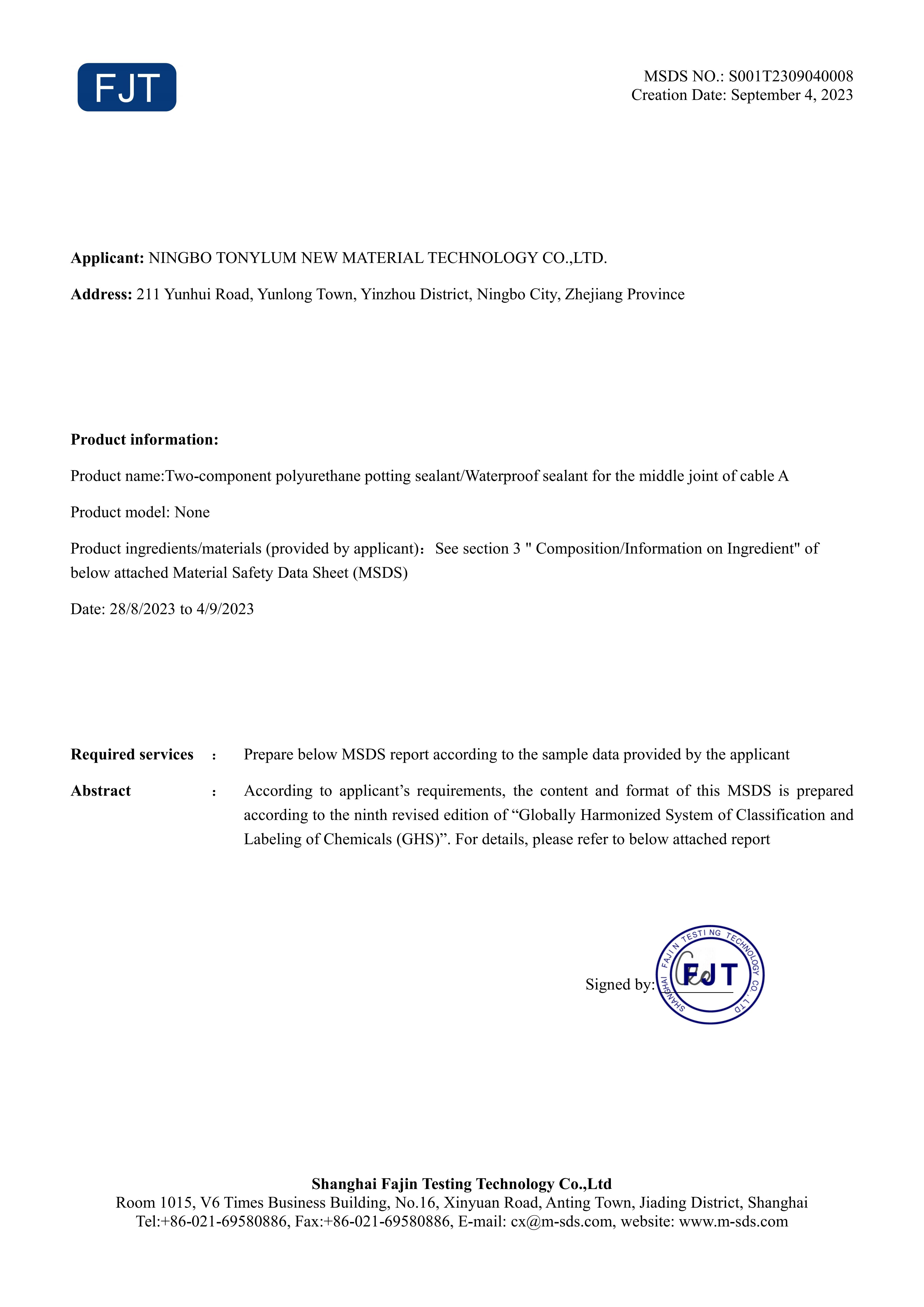
The Environmentally Friendly Polyurethane Sealant is documented with an MSDS prepared under UN GHS Rev.9.
The sealing product in this range is the Environmentally Friendly Polyurethane Sealant J-399/J-499/J-699, based on a polyurethane prepolymer, light yellow in colour, applicable to voltage levels from 10 kV to 35 kV, with a hardness of 55A±10. Its listed application areas include power engineering, power transmission systems, cable joint sealing, equipment waterproofing and building sealing. Its material safety data sheet carries the number S001T2309040008, dated 4 September 2023 and prepared under UN GHS Rev.9, covering two-component polyurethane potting sealant and waterproof sealant for the middle joint of cable A, with EU, US, Southeast Asia and UK listed as applicable markets.
Because a sealant is applied rather than assembled, the sealing function is only as good as the application sequence:
- Disconnect and isolate the cable before installation.
- Clean and dry the cable and connection surfaces.
- Prepare the sealant according to the product instructions.
- Apply the sealant evenly around the required sealing area.
- Ensure complete coverage without gaps or exposed areas.
- Check the finished seal and confirm that the connection is properly protected.
Earthing-Focused Accessories: Giving Fault Current a Path
The third function is the one most often left implicit in a bill of materials. Where the metallic screen is interrupted and cable sheaths are cross-interconnected, currents must be routed deliberately rather than left to find their own path. The Cross-interconnect Grounding Box is the earthing-focused product in this range, offered for 35 kV, 66 kV, 110 kV and 220 kV systems in SS304, SS316 or SMC FRP housings with copper conductive components.
Its verified parameters are specific and testable: cabinet insulation resistance of 5 MΩ; a box body subjected to 37.5 kV impact 10 times without breakdown; and a direct-buried box tested at 0.2 MPa for 30 minutes with no leakage. Applications listed for the product include power grids, AI data centers, new energy and power transmission.
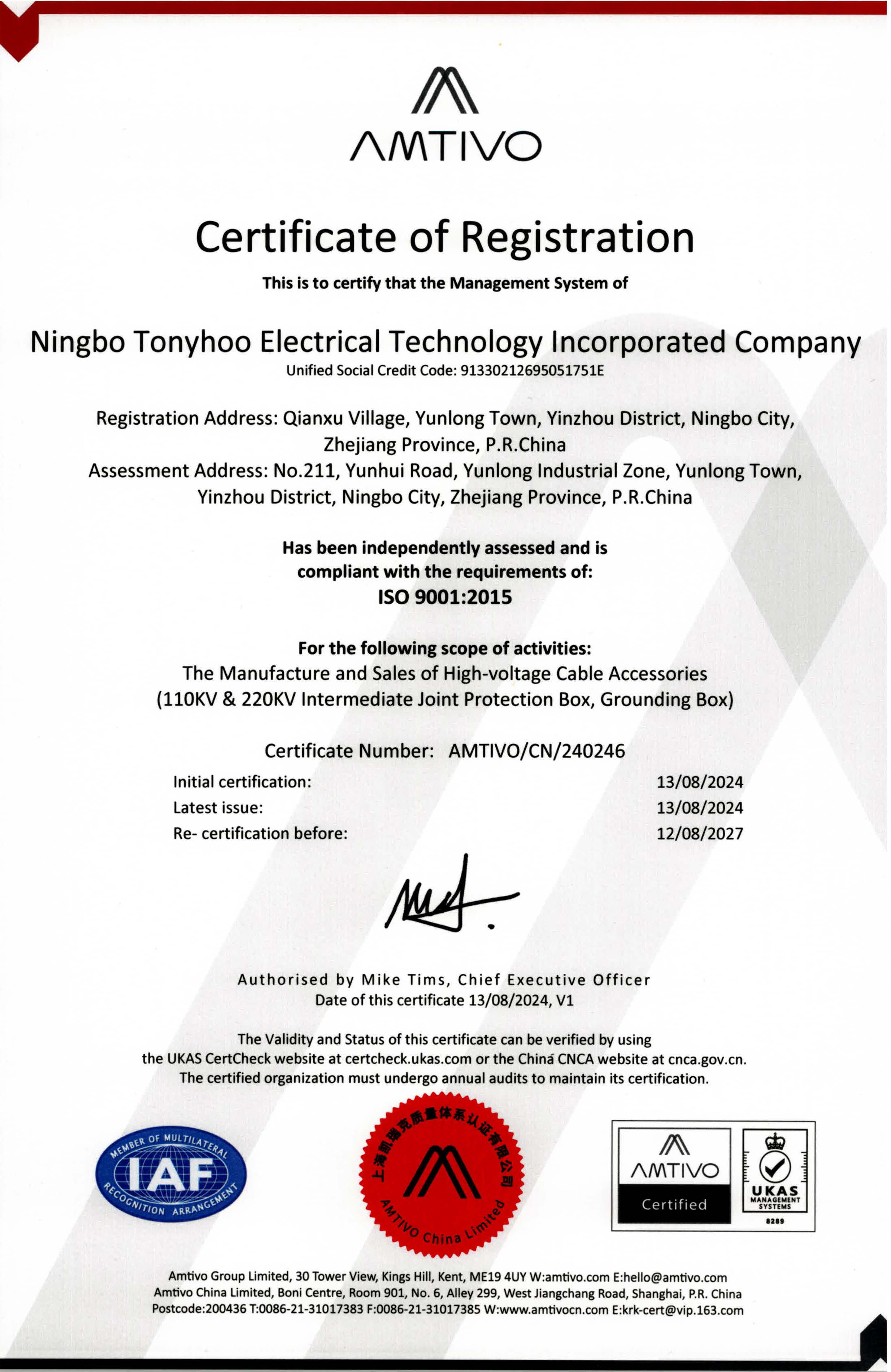
The ISO 9001:2015 certificate scope explicitly names intermediate joint protection housings and grounding boxes.
Note the overlap inside a single earthing component: the 0.2 MPa air tightness test is a sealing property, not an earthing property. One box therefore carries two functions with two different acceptance criteria, which is exactly why buyers who reduce accessories to a single 'protection' category end up with unspecific purchase orders.
When One Component Carries All Three Functions
The clearest illustration of function overlap is the Separable Connector DS/SC, listed for 8.7/10 kV, 630 A applications. Its parameters span several functions at once: rated voltage 15 kV, one-minute AC withstand voltage 42 kV, fifteen-minute DC withstand voltage 52 kV, lightning impulse withstand voltage 95 kV, minimum corona onset voltage 11 kV, thermal short-circuit current 22.8 kA for 2 seconds, dynamic short-circuit current 80.8 kA, and partial discharge ≤10 pC, in ethylene propylene diene monomer with tin-plated copper. A separable connector therefore controls electric stress, forms a sealed interface, and provides conductive parts for the screen connection simultaneously. When a separable connector quotation is compared against a simple termination quotation, the two may not cover the same function set at all.
The opposite case is the Cable Lug DT/SC, a pure copper or tin-plated copper lug with a tin-plated surface, a range of 10–400 mm², DIN or GB standard dimensions, a working temperature of -40 °C to 125 °C, and high conductivity with corrosion resistance. A cable lug carries current. It does not insulate, seal or earth anything by itself, and treating it as a protection component is a common source of confusion in a bill of materials.
Step-by-Step Breakdown: Separating Functions Before Comparing Quotes
- Start from the failure mode, not the accessory name. Decide which risk the project must exclude: discharge at the shielding cut (insulation), moisture ingress at the connection (sealing), or an uncontrolled screen or sheath current path (earthing). This determines which functions must appear in the purchase order before any product is named.
- Fix the voltage class and cable section. For this range, joints and heat shrink terminations cover 8.7/10 kV, 12/20 kV and 19/35 kV with cable sections of 25–400 mm², while the four-core cold shrink termination covers 0.6/1 kV with 10–300 mm². Confirm the cable model, conductor cross-section, core quantity and whether the installation is indoor, outdoor or direct burial, because these parameters drive product matching and electric field control.
- Confirm the installation environment and method. Check whether open flame work is permitted, whether the location is a confined space, and whether the site is coastal, high-humidity or subject to wide temperature swings. Outdoor accessories face risks of insulation aging, seal failure and water ingress breakdown caused by rain, UV and contamination, which can lead to short circuit and tripping.
- Assign each function to a named component and mark the overlaps. Map insulation to terminations or joints, sealing to the sealant and the joint sealing structure, and earthing to the grounding box or the screen connection inside the accessory. Where one component covers two functions, record both acceptance criteria separately.
- Check documentation and test evidence before price. Tonyhoo holds ISO 9001:2015 certificate AMTIVO/CN/240246 issued by AMTIVO China Limited on 13 August 2024 and valid to 12 August 2027, with a scope covering the manufacture and sale of high-voltage cable accessories, including 110 kV and 220 kV intermediate joint protection housings and grounding boxes. Quality control includes 100% factory electrical test and partial discharge testing during production, with third-party inspection available through SGS or TUV, and products tested by the State Grid High Voltage Testing Center, SGS or the Shanghai Cable Research Institute.
- Confirm commercial terms only after functions are locked. The MOQ requirement is 10 sets, monthly capacity is 12,000 sets, and standard lead time is 30–40 days. Delivery terms are FOB, CFR or CIF, payment terms are T/T with 50% deposit in advance and the remaining 50% before shipment, and the acceptance criterion is a pre-shipment test.
- Validate with a sample or first-article check. Test the function, not the category: sealant coverage for sealing, stress cone positioning and surface cleanliness for insulation, and insulation resistance or air tightness for earthing hardware.
Production capability supports OEM, ODM and customized solution production, with a monthly capacity of 12,000 sets.
Use Cases: How the Three Functions Appear in Real Projects
Underground 10 kV cable expansion, Thailand (500 units). This project covered intermediate connection and sealing protection for 10 kV underground cables, with a service duration expectation of at least 20 years. The cold shrink structure requires no open flame, which supports safe construction in an underground confined space, and the sealing structure is designed to resist moisture and soil corrosion. The reported result is that multiple cable sections were connected and no leakage or discharge issues occurred after commissioning.
Indoor 10 kV terminal support for a substation, Thailand (1,000 units). Cold shrink cable accessories were supplied for indoor 10 kV cable terminals supporting a substation, with a duration expectation of at least 15 years and a reported outcome of stable electric field control and successful grid access testing by the local power authority. The highlighted selection reason was a compact structure suited to limited installation space inside substations.
Outdoor 10 kV urban distribution network renovation, Thailand (1,000 units). Here the sealing function dominates the risk profile: outdoor terminals must operate under high temperature and high humidity without insulation faults. The reported performance includes anti-aging and waterproof behaviour, and the accessories were described as compliant with IEC standards and easy to install on site, which reduces construction man-hours.
European power grid construction, Albania (1,087 pieces, 32 cartons). This order combined high-voltage cable accessories with DC lugs in a single solution, with a short lead time and a stated service duration of 20 years. It illustrates the evaluation-stage point that function coverage and delivery performance are decided together, not separately.
Earthing for cross-interconnected systems. For 35 kV to 220 kV cross-interconnect applications, the grounding box is specified for power grids, AI data centers, new energy and power transmission, with the direct-buried version verified by a 0.2 MPa, 30-minute air tightness test. In these projects, electric stress control at the termination and drainage of sheath current are handled by different components with different acceptance tests.
Comparison Table: Matching Function to Failure Mode
| Protection function | Failure mode addressed | Representative Tonyhoo products | Verified parameters | What it does not replace |
|---|---|---|---|---|
| Insulation / electric stress control | Partial discharge, tracking and flashover at the shielding cut | Heat Shrink Termination SY10kV / SY26kV / SY35kV; Cold Shrink Termination; Cold Shrink Intermediate Joint JLS-10 / JLS-35 | 8.7/10 kV, 12/20 kV, 19/35 kV; 25–400 mm² (joints and heat shrink terminations); 10–300 mm² at 0.6/1 kV for the four-core cold shrink termination; 39 kV / 5 min withstand; -40 °C to 120 °C or -40 °C to 90 °C depending on the product | Does not stop water ingress and does not provide a fault current path to earth |
| Sealing / contaminant exclusion | Water ingress, corrosion of metallic parts, degradation of the insulation interface | Environmentally Friendly Polyurethane Sealant J-399 / J-499 / J-699 | Applicable voltage level 10 kV–35 kV; hardness 55A±10; polyurethane prepolymer; MSDS No. S001T2309040008 dated 4 September 2023 under UN GHS Rev.9 | Does not control electric stress and does not restore dielectric strength |
| Earthing / screen and fault current path | Floating screen potential, uncontrolled discharge, thermal stress at connections | Cross-interconnect Grounding Box | Models for 35 kV, 66 kV, 110 kV, 220 kV; SS304, SS316 or SMC FRP with copper conductive components; 5 MΩ cabinet insulation resistance; 37.5 kV impact 10 times without breakdown; 0.2 MPa / 30 min air tightness for the direct-buried version | Does not control electric stress at the termination; air tightness is an additional sealing requirement, not an earthing property |
| Current-carrying connection (adjacent function) | Overheating and corrosion at the conductor connection | Cable Lug DT / SC | Pure copper or tin-plated copper; 10–400 mm²; DIN / GB; -40 °C to 125 °C; high conductivity, corrosion resistant | Not an insulation, sealing or earthing component on its own |
The table also explains why the decision framework must come before the quotation. Two suppliers can quote the same total price while covering a different number of rows, and the gap typically appears only as a failure mode during service.
Assembly and quality control: 100% factory electrical test and partial discharge testing are performed during production.
FAQ: Insulation, Sealing and Earthing Functions in Practice
What compliance documentation should buyers request for insulation, sealing and earthing components?
Documentation should follow the function. For sealing, request the material safety data sheet: the Environmentally Friendly Polyurethane Sealant J-399/J-499/J-699 is documented under MSDS No. S001T2309040008, dated 4 September 2023 and prepared under UN GHS Rev.9, covering two-component polyurethane potting sealant and waterproof sealant for the middle joint of cable A. For the manufacturing system, Tonyhoo holds ISO 9001:2015 certificate AMTIVO/CN/240246 issued by AMTIVO China Limited on 13 August 2024 and valid until 12 August 2027, whose scope covers the manufacture and sale of high-voltage cable accessories including 110 kV and 220 kV intermediate joint protection housings and grounding boxes. At product level, items have been tested by the State Grid High Voltage Testing Center, SGS or the Shanghai Cable Research Institute.
Can cable accessories be customized for a specific voltage class, cable section and installation environment?
Ningbo Tonyhoo Electrical Technology Co., Ltd. provides OEM, ODM and customized solution production services. Customization covers rated voltage, cable cross-section, material formula, packaging, logo printing and a special anti-corrosion version, with private-label packaging and logo printing supported. The range spans cold shrink intermediate joints and terminations at 0.6/1 kV, 8.7/10 kV, 12/20 kV and 19/35 kV, cable sections from 10 mm² to 400 mm² depending on product type, and cross-interconnect grounding boxes for 35 kV, 66 kV, 110 kV and 220 kV. Quality control includes 100% factory electrical test, partial discharge testing during production, and third-party inspection by SGS or TUV.
How should budget be structured when three functions overlap in one purchase?
Separate the line items by function rather than accepting a single aggregate figure, so that an insulation component, a sealing compound and an earthing box can be added or removed without renegotiating the whole scope. Commercial parameters in this range are a MOQ of 10 sets with a monthly capacity of 12,000 sets, delivery terms of FOB, CFR or CIF, payment terms of T/T with 50% deposit in advance and the remaining 50% before shipment, and a pre-shipment test as the acceptance criterion.
How can a buyer validate sealing and earthing components before a volume order?
Validate the specific function. For sealing, check surface preparation, sealant preparation according to the instructions, even application and complete coverage without gaps or exposed areas, then inspect the finished seal. For insulation, check stress cone positioning, insulation surface condition and interface cleanliness, because scratches on the main insulation, rough treatment of the semi-conductive layer cut, moisture or dust on the installation interface and offset stress cone positioning are the main inducements of later breakdown. For earthing, verify cabinet insulation resistance, which is 5 MΩ for the cross-interconnect grounding box, and, where the direct-buried version is used, the air tightness result of 0.2 MPa for 30 minutes with no leakage.
What is the lead time for cable accessories, and what is the practical next step?
Standard lead time is 30–40 days, supported by a monthly capacity of 12,000 sets and a 9,900 m² manufacturing facility with 20 engineers. Export markets include the US, Thailand, Tunisia, Russia and Saudi Arabia, and the export ratio is 50%. The practical next step for a buyer who has separated insulation, sealing and earthing requirements is to send the cable voltage class, conductor cross-section, core quantity and installation environment for matching, and to request a sample or quotation for that specific function set. Tonyhoo Cable Accessories can be reached at admin@tonyhoo.com.cn or +8613345998377, and the full product catalog is available for download below.
Conclusion: Match the Function to the Failure Mode Before Comparing Quotes
Insulation, sealing and earthing are not three names for the same protection. Insulation accessories control electric stress where the shielding is cut; sealing accessories close the moisture and contaminant path into the connection; earthing accessories give fault and sheath currents a controlled route to earth. Where one component covers more than one function, as with a separable connector or a direct-buried grounding box, the acceptance criteria must still be recorded separately, because a single pass or fail result cannot confirm two different functions.
The working framework for evaluation-stage buyers is therefore short: identify the failure mode, fix the voltage class and cable section, assign the function to a named component, verify documentation and test evidence, and only then compare commercial terms. Applied to this range, that means confirming whether the project needs 8.7/10 kV, 12/20 kV or 19/35 kV insulation coverage from heat shrink terminations or cold shrink joints, whether the 0.6/1 kV four-core cold shrink termination fits the low voltage section, whether the 10–35 kV polyurethane sealant is the correct sealing material for the joint, and whether a 35–220 kV cross-interconnect grounding box is required for the earthing path.
Tonyhoo Cable Accessories covers these functions as separate product families rather than as one generalized item, and its documentation, customization scope and test regime are structured around the same separation. That is the basis on which a function-based specification can be quoted accurately, rather than on a line-item comparison of unspecified scope.
Next step for buyers: send the cable voltage class, cross-section, core quantity and installation environment, and request a sample or quotation for the specific insulation, sealing or earthing function your project requires.
Catalog download: Tonyhoo product catalog (PDF)
Contact Tonyhoo Cable Accessories — Ningbo Tonyhoo Electrical Technology Co., Ltd., founded 1997.
Address: No.211, Yunhui Road, Yunlong Town, Yinzhou District, Ningbo City, Zhejiang Province, China
Email: admin@tonyhoo.com.cn | Tel / WhatsApp: +8613345998377
Website: www.tonyhoo.com
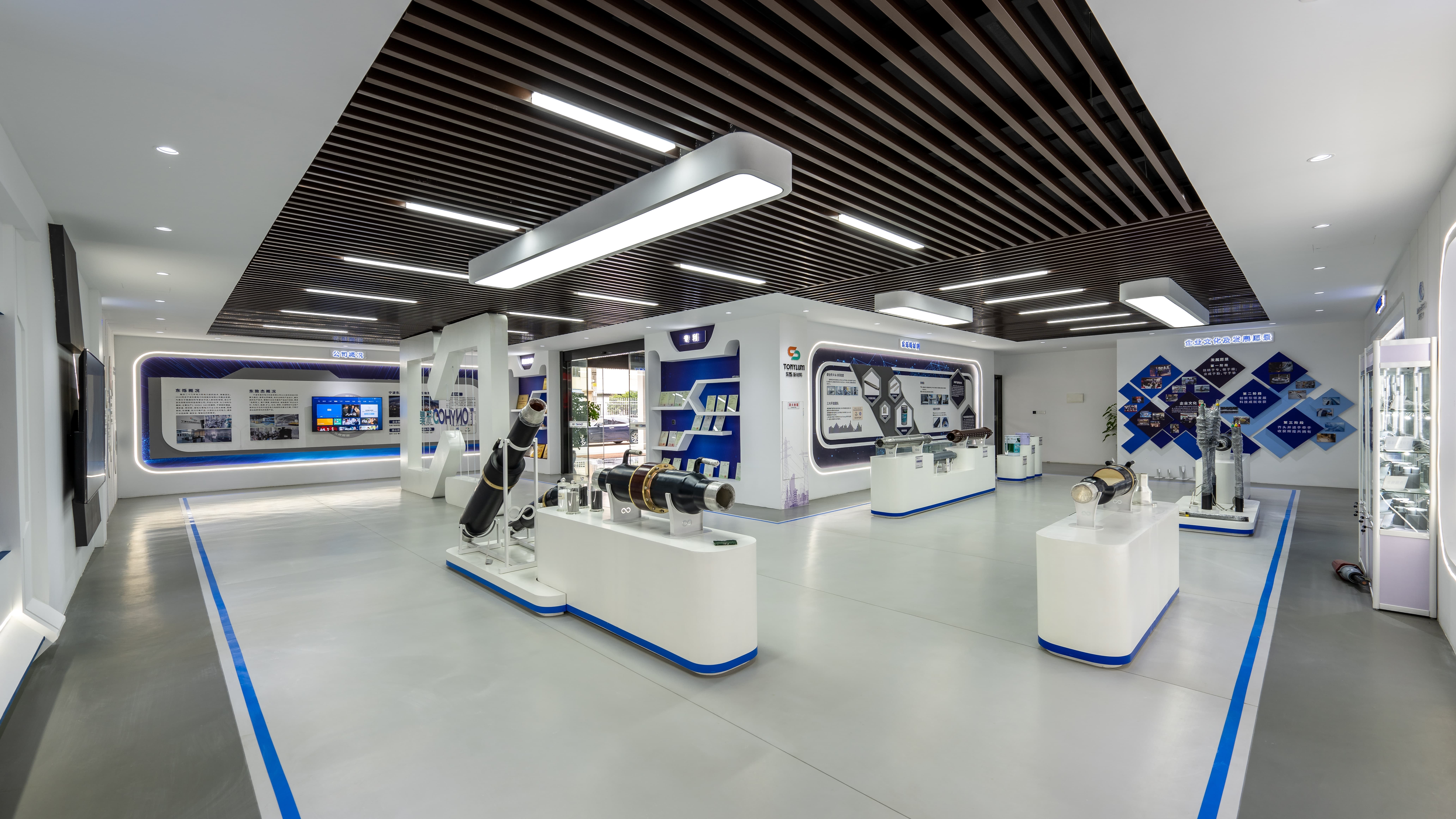
Product families for insulation, sealing and earthing can be reviewed as a set before a project-specific quotation is prepared.
Have Questions or Need More Details?
Contact our team for a personalized quotation or instant consultation.
Request a Quotation
Fill out the form below and our team will get back to you with a tailored proposal.
WhatsApp Direct Chat
Prefer to chat in real-time? Message us on WhatsApp for instant assistance & quick answers.
- Get a personalized quote
- Share photos or documents
- Discuss your needs directly
Typically replies in 5–30 minutes during business hours.