
SS304 vs SS316 vs SMC FRP Grounding Boxes: A Cable Accessories Comparison Guide
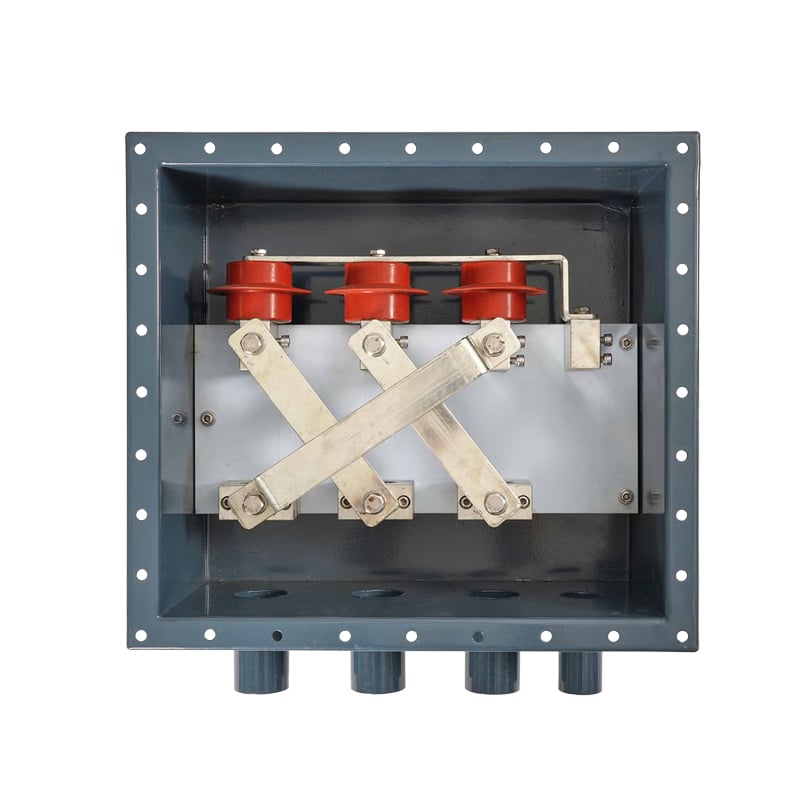
For high-voltage cable earthing protection, the Tonyhoo grounding box range offers three housing materials — SS304 stainless steel, SS316 stainless steel and SMC FRP — and all three are documented against the same acceptance checks: the direct-buried box is subject to a 0.2 MPa, 30-minute air tightness test with no leakage, and the box body is subjected to a 37.5 kV impact 10 times without breakdown. The housing material changes environmental fit; it does not change these baseline criteria.
The real decision for a procurement team is therefore not which material is better in the abstract, but which material matches this installation. A coastal substation, a flooded cable trench and an above-ground compound wall in an inland city expose the same box to very different conditions, and the box normally stays in place for the life of the cable circuit.
This guide compares the three housing options used in Tonyhoo Cable Accessories grounding boxes, sets out the documented specifications and acceptance checks, and provides a verification workflow that can be applied before a purchase order is released.
What a High-Voltage Earthing Protection Grounding Box Must Survive
A grounding box provides a protected earthing point for the metallic sheath and armour of a high-voltage cable system. The Tonyhoo unit is specified as a cross-interconnect grounding box supporting 35 kV, 66 kV, 110 kV and 220 kV voltage classes, and it is listed for power grid, AI data centre (AIDC), new energy and power transmission applications.
Four conditions decide whether the box still performs years after commissioning:
- Water and moisture ingress. Buried and trench-installed boxes sit in soil that remains wet for long periods, and water entering the enclosure can degrade the earthing connection and the insulation margin inside.
- Corrosion. Salt-fog coastal air, saline groundwater and chloride-bearing soils attack the enclosure surface, and the resulting pitting or coating loss is the most common reason a housing is replaced before the cable is.
- Mechanical impact. Backfill, site machinery, transport and manual handling all put impulse loads on the box, so a housing has to survive a direct blow rather than only a static load.
- Insulation integrity. The assembly must hold its specified insulation resistance between the conductive parts and the enclosure so the earthing path stays controlled.
Each of these conditions maps to a specification item or an acceptance check. That is why a material comparison should be read together with the test record, not instead of it.
Industry Background: Why Housing Material Reviews Are Increasing
The global cable accessories market was valued at USD 35.84 billion in 2025 and is projected at USD 37.88 billion in 2026, according to Global Market Insights, with Asia Pacific described as the largest and fastest-growing region on the back of grid modernization. Two demand drivers are directly relevant to earthing protection hardware: urban underground cable reconstruction, which pushes more boxes into direct-buried and trench environments, and the build-out of AI data centre power infrastructure and new energy stations, which concentrates more high-voltage circuits — and more earthing points — into a single site.
On the technical side, IEEE 1816-2024, Guide for Preparation of Shielded Cables and Installation of Mating Accessories, published on 4 April 2025, sets out industry practices for preparing cables rated 2.5 kV through 46 kV for mating accessories. That guidance points in the same direction as the material discussion below: accessory performance depends on the component and on the installation practice around it, so both are worth verifying.
Documented Specifications of the Three Housing Options
The grounding box housing is available in SS304 stainless steel, SS316 stainless steel or SMC FRP. The parameters below are published at product level for the grounding box, so they should always be confirmed against the ordered configuration.
- Product type: cross-interconnect grounding box
- Voltage classes / model designation: 35 kV, 66 kV, 110 kV and 220 kV
- Housing material options: SS304 stainless steel, SS316 stainless steel, SMC FRP
- Conductive parts: copper
- Protection level: IP65
- Cabinet insulation resistance: 5 MΩ
- Impact acceptance: box body subjected to a 37.5 kV impact 10 times, not broken down
- Air tightness acceptance (direct-buried box): 0.2 MPa for 30 minutes, no leakage
- Stated properties: corrosion resistance, waterproof construction, robust copper conductive parts
SS304 stainless steel
SS304 is the general-purpose austenitic stainless option in the range and the grade most often written into specifications for outdoor and underground metallic enclosures. It delivers the IP65 sealing and impact behaviour documented for the grounding box range, and it is normally selected where chloride exposure is moderate — inland substations, urban cable trenches and compound installations. Where a project specifies only "stainless steel", SS304 is usually what is assumed; making the grade explicit on the purchase order is what prevents the ambiguity.
SS316 stainless steel
SS316 sits in the same austenitic family, with a molybdenum addition that general materials practice associates with better resistance to chloride-induced pitting and crevice attack. In procurement terms, that is the difference that matters: coastal substations, salt-fog environments and soils with elevated chloride content are the situations where SS316 is normally considered the stainless option. Both stainless grades are offered within the same grounding box specification, so the grade choice should be recorded explicitly and supported by the mill or grade certificate — a written "stainless steel" requirement does not distinguish SS304 from SS316.
SMC FRP
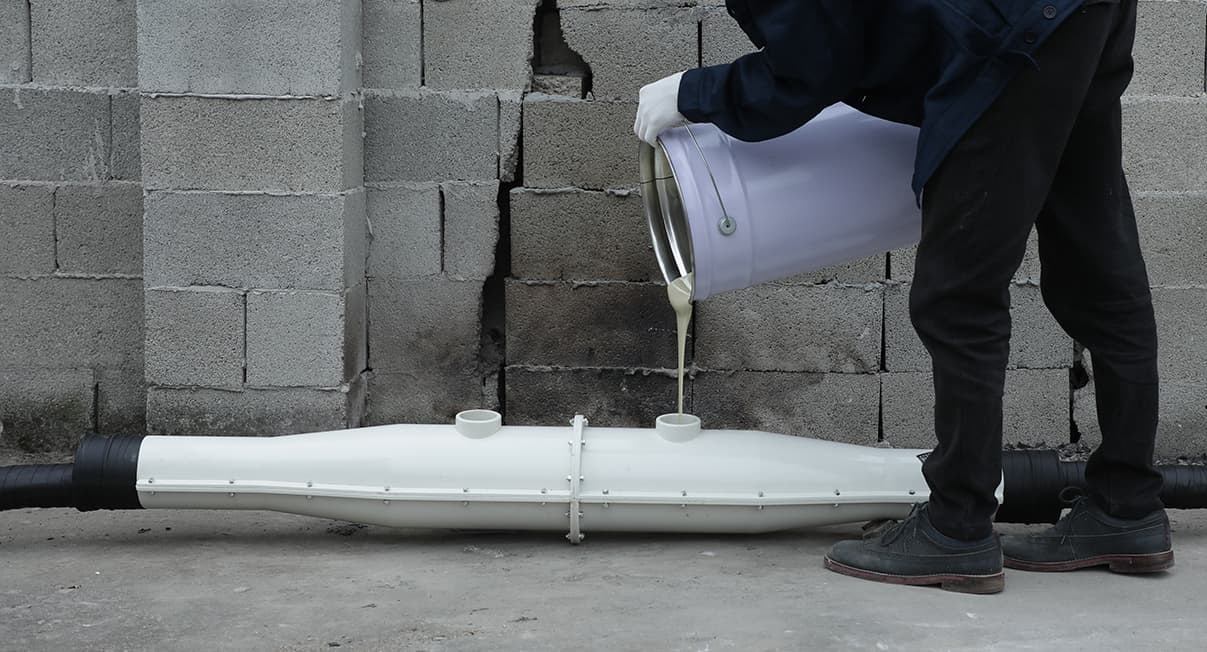
SMC FRP (sheet moulding compound, fibreglass reinforced plastic) is the non-metallic option. A composite enclosure contains no ferrous material, so the usual ferrous corrosion mechanism does not apply, and the housing is electrically non-conductive by nature, which can simplify bonding and earthing design around the enclosure itself. It is also generally lighter than a stainless enclosure of comparable size, which affects handling on site and freight. These are general characteristics of the material class: the mechanical protection actually delivered depends on the wall section, gasket design and moulding quality of the specific build, so the impact and air tightness records for the ordered configuration should be requested rather than assumed.
Why Copper Conductive Parts and IP65 Sit Outside the Material Debate
The structural configuration of the grounding box includes copper conductive parts, and the assembly is specified to IP65. Neither item changes with the choice of SS304, SS316 or SMC FRP: the enclosure protects the assembly, while the copper parts carry the earthing connection and the IP65 rating describes the sealed enclosure as a whole. For a buyer, this means the material comparison is about the jacket rather than the electrical path — and the electrical path still has to be verified separately.
The published verification figures for the assembly are a cabinet insulation resistance of 5 MΩ, the 37.5 kV impact applied 10 times to the box body without breakdown, and the 0.2 MPa, 30-minute air tightness test on the direct-buried box with no leakage. Read together, these three values describe an enclosure that stays sealed, keeps its insulation margin, and survives an impulse event without puncturing.
Where the Same Material Logic Is Used Elsewhere in the Range
Tonyhoo applies comparable housing logic to other cable protection products, which matters when a project specifies protection hardware from more than one family. The acceptance pattern — impact, salt-water immersion and flammability — repeats across the range:
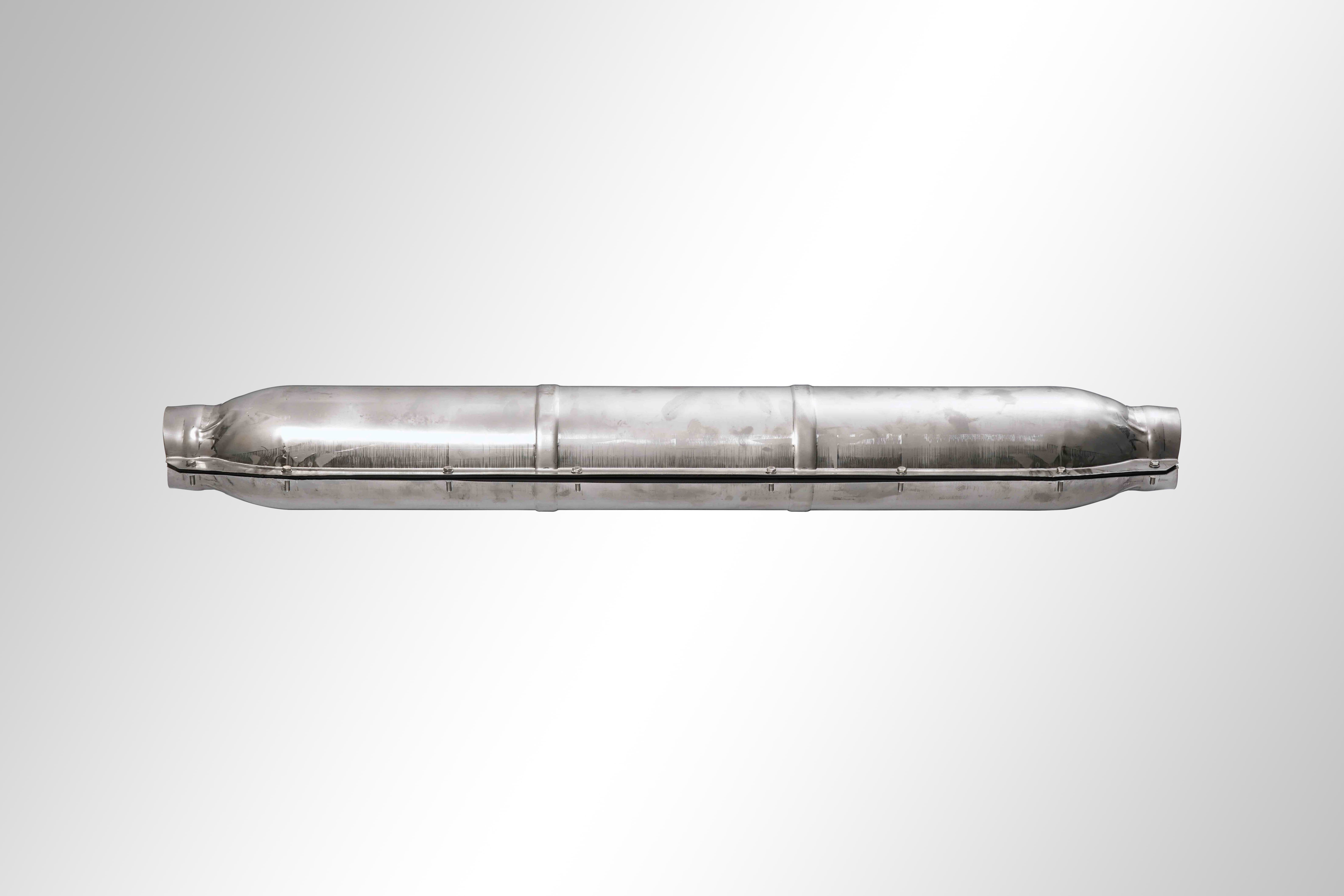
- Stainless steel explosion-proof housing (DS-FBH (SS)-1 to DS-FBH (SS)-8). Stainless steel body with a flame-retardant sealing gasket rated V-0 and a shell meeting B1 grade flammability. Documented checks: flexural strength of 127 MPa with no fracture or deformation; a 1 kg weight dropped vertically from 2 m without cracks or damage; and immersion in 3% sodium chloride solution for 3 days showing no swelling, cracking or interlayer peeling.
- Aluminum-Magnesium Alloy Protection Housing (10 kV / 35 kV / 110 kV). The same acceptance profile — 127 MPa flexural strength, 1 kg dropped from 2 m, and 3-day immersion in 3% sodium chloride solution — in an aluminium-magnesium alloy for cable joint protection, equipment housings and outdoor installations.
- Explosion-Proof Blanket (DS-FBT-10, DS-FBT-35, DS-FBT-110, DS-FBT-220). Outer layer rated B1, breakdown strength ≥20 kV·mm⁻¹, volume resistivity ≥1×10¹³ Ω·cm, tear strength ≥3.5 kN·m⁻¹, and halogen-free construction with bromine and chlorine content each below 900 ppm.
- Environmentally Friendly Polyurethane Sealant (J-399, J-499, J-699). Solvent-free polyurethane prepolymer sealant for cable joint sealing and equipment waterproofing, rated for 10 kV–35 kV applications with a hardness of 55A±10.
Supporting Cable Accessories in the Same Protection Programme
An earthing box is rarely purchased in isolation. The accessory set surrounding it in a typical medium- and high-voltage installation includes:
- Cold Shrink Intermediate Joint — silicone rubber construction, rated 8.7/10 kV, 12/20 kV and 19/35 kV, cable cross-section range 25–400 mm², operating temperature -40 °C to 90 °C.
- Cold Shrink Termination — 0.6/1 kV four-core design, cable section 10–300 mm², volume resistivity ≥1×10¹⁴ Ω·cm, operating range -40 °C to 90 °C.
- Separable Connector — rated current 630 A, partial discharge ≤10 pC, EPDM insulation body with tin-plated copper conductive material.
- Heat Shrink Termination — cross-linked polyolefin body, withstand voltage 39 kV for 5 minutes, models covering the 8.7/10 kV, 12/20 kV and 19/35 kV classes.
- Cable Lug — pure copper and tin-plated copper types, tin-plated surface treatment, conforming to DIN/GB standards, working range -40 °C to 125 °C.
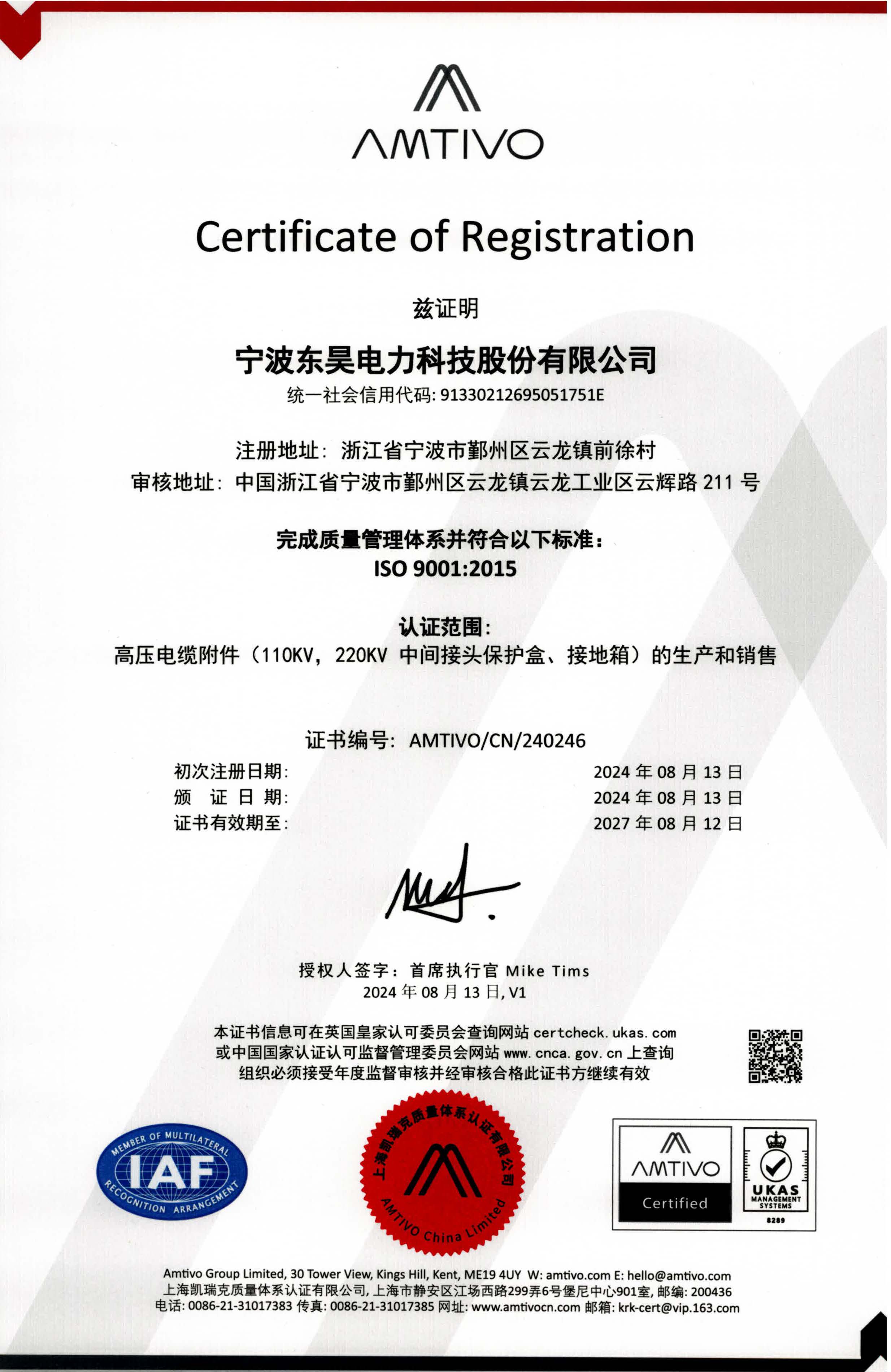
The grounding box, the metal protective housing, the aluminium-magnesium alloy protection housing, the explosion-proof blanket, the polyurethane sealant, the oil-immersed transformer range and the termination and joint families above all fall inside the same ISO 9001:2015 certification scope for the manufacture and sales of high-voltage cable accessories.
Step-by-Step: Selecting and Verifying a Grounding Box Housing
- Confirm the earthing scheme and voltage class. The grounding box range covers 35 kV, 66 kV, 110 kV and 220 kV. Voltage class drives the model designation before any material discussion takes place.
- Define the installation environment. Record whether the box is direct-buried, installed in a cabinet, or mounted above ground; note salt-fog exposure, soil chloride content and expected temperature range. This single step usually narrows the material choice to one or two options.
- Choose the housing material and write it into the specification. SS304, SS316 or SMC FRP, with the grade explicitly named for stainless options and the build details named for the composite option.
- Verify the conductive and insulation data. The structural configuration includes copper conductive parts, and the cabinet insulation resistance figure is 5 MΩ. Both should appear in the technical submittal.
- Put the two acceptance checks in writing. The direct-buried box is subject to a 0.2 MPa, 30-minute air tightness test with no leakage, and the box body is subjected to a 37.5 kV impact 10 times without breakdown. Request these as records rather than as claims.
- Check the certification scope, not just the certificate. ISO 9001:2015 certificate AMTIVO/CN/240246, issued by AMTIVO China Limited and valid from 13 August 2024 to 12 August 2027, covers the manufacture and sales of high-voltage cable accessories, including 110 kV and 220 kV intermediate joint protection housing and grounding box, and lists the 35 kV, 66 kV, 110 kV and 220 kV grounding box models. A quality-system certificate and a product type test are different documents, so request both where the project requires them.
- Confirm the commercial constraints. MOQ starts from 10 sets, lead time is 30–40 days, and monthly capacity is 12,000 sets. OEM, ODM and customized solutions cover rated voltage, cable cross-section, material formula, packaging, logo printing and a special anti-corrosion version. Quality control includes 100% factory electrical test, partial discharge test and third-party inspection by SGS or TUV.
- Validate a sample before volume release. Sample inspection of the intended housing material and voltage class is the cheapest way to confirm fit, sealing and finish before a project order. After-sales support covers on-site installation guidance, remote technical support and a 5-year product warranty.
Use Cases: Where Each Housing Option Fits
The grounding box is listed for power grid, AI data centre, new energy and power transmission applications. In practice, the housing choice follows the site:
- Direct-buried cable trenches and urban cable reconstruction. Continuous soil moisture is the dominant stress, and the 0.2 MPa, 30-minute air tightness test with no leakage is the check that matters most in this environment.
- Coastal substations and salt-fog areas. Chloride exposure drives the decision. SS316 is normally the stainless option considered here, with SMC FRP as the non-metallic alternative where a polymer enclosure is preferred.
- AI data centre power yards. Dense high-voltage circuits, above-ground installation and restricted maintenance windows put the emphasis on IP65 sealing and impact tolerance; a lighter SMC FRP enclosure can also simplify handling in a congested yard.
- New energy stations and grid upgrades. Wind and solar collection systems and substation upgrades combine wide temperature swings with dust and pollution, which is why the enclosure rather than the conductive assembly usually determines service life.
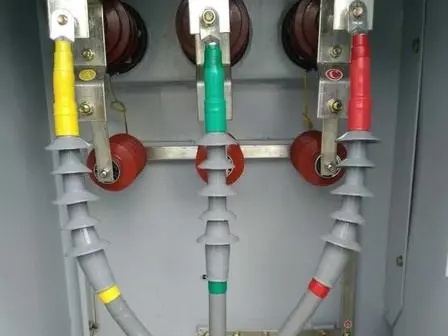
Delivery experience behind these product families comes from export markets that include Thailand, the United States, Tunisia, Russia and Saudi Arabia, with an export share of about 50%. Recorded reference projects include 500 units of cold shrink intermediate joints supplied for a suburban cable expansion project associated with Thailand's Provincial Electricity Authority (PEA), with a stated service duration of 20 years or more and no leakage or discharge issues reported since commissioning, and a 1,087-piece delivery of high-voltage cable accessories and DC lugs to a power engineering contractor in Albania for grid construction.
Comparison Table: SS304 vs SS316 vs SMC FRP
Table 1 lists the parameters documented for the grounding box range. Table 2 summarises the selection logic and what should be verified for each material before ordering.
| Documented parameter | SS304 | SS316 | SMC FRP |
|---|---|---|---|
| Housing material offered in the grounding box range | SS304 stainless steel | SS316 stainless steel | SMC FRP (fibreglass reinforced plastic) |
| Voltage classes covered | 35 kV / 66 kV / 110 kV / 220 kV | 35 kV / 66 kV / 110 kV / 220 kV | 35 kV / 66 kV / 110 kV / 220 kV |
| Conductive parts | Copper | Copper | Copper |
| Protection level | IP65 | IP65 | IP65 |
| Cabinet insulation resistance | 5 MΩ | 5 MΩ | 5 MΩ |
| Impact acceptance check | 37.5 kV impact 10 times, not broken down | 37.5 kV impact 10 times, not broken down | 37.5 kV impact 10 times, not broken down |
| Air tightness acceptance check (direct-buried box) | 0.2 MPa for 30 min, no leakage | 0.2 MPa for 30 min, no leakage | 0.2 MPa for 30 min, no leakage |
| Corrosion resistance | Stated product property | Stated product property | Stated product property |
| Selection consideration (general guidance — confirm with the manufacturer) | SS304 | SS316 | SMC FRP |
|---|---|---|---|
| Environment typically considered | Inland and general outdoor or underground sites with moderate chloride exposure | Coastal, salt-fog or high-chloride soil conditions | Installations where a non-metallic, lighter enclosure is preferred |
| General material note | Austenitic stainless steel without a molybdenum addition | Austenitic stainless steel with a molybdenum addition, generally associated with better chloride pitting resistance | Composite with no ferrous content and non-conductive by nature; typically lighter than stainless |
| What to verify before ordering | Grade certificate and wall section | Grade certificate and wall section | Moulding and wall specification, gasket type, impact and air tightness records |
Frequently Asked Questions
1. Where can I find China cold shrink intermediate joint suppliers with IEC test reports?
Tonyhoo's published certification record covers its manufacturing quality system rather than a product type test: ISO 9001:2015 certificate AMTIVO/CN/240246, issued by AMTIVO China Limited and valid from 13 August 2024 to 12 August 2027, with a scope covering the manufacture and sales of high-voltage cable accessories and listing the Cold Shrink Intermediate Joint models JLS-10/1.1, JLS-10/3.3, JLS-35/1.3 and JLS-35/3.4. Product-level test evidence is a separate document, and Tonyhoo states that its products have been tested by the State Grid High Voltage Testing Center, SGS or the Shanghai Cable Research Institute with corresponding reports issued. When a project requires IEC-standard evidence, request the test report that names the exact model and voltage class being quoted, because a quality-system certificate and a type test report are not interchangeable.
2. What housing materials and voltage classes are available for the grounding box?
The cross-interconnect grounding box is available in SS304 stainless steel, SS316 stainless steel and SMC FRP across the 35 kV, 66 kV, 110 kV and 220 kV voltage classes. All three housing variants use copper conductive parts and are specified to an IP65 protection level with corrosion resistance as a stated product property.
3. How are the air tightness and impact checks performed?
The direct-buried box is subject to a 0.2 MPa, 30-minute air tightness test, and no leakage is accepted. Separately, the box body is subjected to a 37.5 kV impact 10 times and must not be broken down. The published cabinet insulation resistance figure for the assembly is 5 MΩ. These three values are the acceptance points to write into a purchase specification and to request as a routine test record.
4. What are the minimum order quantity, lead time and customization options?
MOQ starts from 10 sets, lead time is 30–40 days, and monthly capacity is 12,000 sets. OEM, ODM and customized solutions cover rated voltage, cable cross-section, material formula, packaging, logo printing and a special anti-corrosion version. Quality control includes 100% factory electrical testing, partial discharge testing and third-party inspection by SGS or TUV, while after-sales support covers on-site installation guidance, remote technical support and a 5-year product warranty.
5. Can I validate a grounding box on a sample before committing to a project order?
Yes. Sample validation is the practical way to confirm housing material, sealing, finish and dimensional fit before a project order is released. Request the sample in the intended housing material and voltage class together with the inspection record for that build, then compare it against the specification items in Table 1. Tonyhoo Cable Accessories supports sample and quotation requests directly; project parameters such as voltage class, housing material and installation environment are enough to start the review.
Conclusion
SS304, SS316 and SMC FRP are less three competing specifications than three answers to the same question: what will the enclosure be exposed to? All three are offered in the Tonyhoo grounding box range with copper conductive parts and an IP65 protection level, and all three are documented against identical acceptance checks — a 0.2 MPa, 30-minute air tightness test with no leakage on the direct-buried box, a 37.5 kV impact applied 10 times without breakdown, and a 5 MΩ cabinet insulation resistance figure.
Selection therefore follows the site rather than the datasheet ranking: SS304 for moderate-exposure outdoor and underground installations, SS316 where chloride exposure makes pitting resistance the deciding factor, and SMC FRP where a non-metallic, lighter enclosure suits the installation. In every case the material decision should be written explicitly into the specification, supported by grade or build documentation, and paired with the acceptance records that prove the box performs as specified.
Next Step: Sample, Specification or Quotation
Tonyhoo Cable Accessories (Ningbo Tonyhoo Electrical Technology Co., Ltd., founded 1997, Ningbo, China) manufactures grounding boxes, cold shrink and heat shrink terminations, cold shrink intermediate joints, cable lugs, separable connectors, polyurethane sealants, explosion-proof blankets and protection housings.
Download the full Tonyhoo product catalogue, or send your project parameters — voltage class, housing material and installation environment — to admin@tonyhoo.com.cn or WhatsApp +8613345998377 for a sample or quotation. The company website is www.tonyhoo.com.
Have Questions or Need More Details?
Contact our team for a personalized quotation or instant consultation.
Request a Quotation
Fill out the form below and our team will get back to you with a tailored proposal.
WhatsApp Direct Chat
Prefer to chat in real-time? Message us on WhatsApp for instant assistance & quick answers.
- Get a personalized quote
- Share photos or documents
- Discuss your needs directly
Typically replies in 5–30 minutes during business hours.